The holiday season has a way of sharpening our ears. Songs we barely notice the rest of the year suddenly carry extra weight, whether they’re drifting from a shop doorway or playing softly while the lights go up at home. Christmas music, in particular, tends to arrive wrapped in tradition, familiar voices, and melodies that have been replayed so often they feel almost permanent. Comforting, yes—but also predictable.
That predictability leaves plenty of room for something else. Not novelty for novelty’s sake, but songs that capture the same warmth, wonder, or quiet nostalgia without leaning on sleigh bells and choirs. The 1950s were full of records like that: short-lived hits that slipped off the charts but held onto a certain glow. Many weren’t written as Christmas songs at all, yet their tone, pacing, and emotional pull feel perfectly at home during the holidays.
This is where one-hit wonders shine in unexpected ways. These tracks reflect a postwar era steeped in optimism, romance, and longing—qualities that naturally surface when the year winds down. In revisiting a few forgotten 1950s hits, we’re not chasing irony or kitsch. We’re uncovering songs that quietly belong on a holiday playlist, even if no one ever told us they did.
“I Want A Hippopotamus For Christmas” by Gayla Peevey (Single, 1953)
There’s something disarming about hearing Christmas through a child’s imagination, especially when that imagination runs wildly off course. This 1953 novelty hit leans fully into that idea, turning an impossible holiday wish into a cheerful standoff between innocence and reality. Peevey’s delivery isn’t sarcastic or winking—it’s earnest, which is exactly why the song works decades later.
The record became an unlikely hit, climbing into the Top 25 on the Billboard pop chart at a time when novelty songs rarely had staying power. Peevey was only ten years old, yet her performance carried enough charm to cut through a crowded holiday season. The song’s cultural footprint even escaped the radio, eventually inspiring her hometown zoo in Oklahoma City to receive a real hippopotamus.
What makes the song feel right for the holidays isn’t the punchline, but the tone. Beneath the silliness is a gentle reminder of how Christmas once sounded when wonder outweighed logic. Played today, it brings back that specific feeling of childhood certainty—the belief that wanting something badly enough might actually make it appear under the tree.
“Nuttin’ For Christmas” by Barry Gordon (Single, 1955)
Holiday music often celebrates generosity and good behavior, which makes this song’s premise feel refreshingly blunt. Sung from the perspective of a kid fully aware he’s blown his chances, the track flips the usual Christmas narrative on its head. There’s no pleading here—just confession, attitude, and a shrugging acceptance of consequences.
Multiple versions of the song were released in 1955, but Gordon’s recording stood out. At just six years old, he delivered the lyrics with timing and personality well beyond his years. His version reached No. 6 on the Billboard pop chart and sold over a million copies, cementing it as the definitive take despite stiff competition that same season.
The song’s lasting appeal lies in its honesty. It captures a side of childhood rarely preserved in holiday music—the messy, mischievous part. That sense of playful guilt fits neatly into the season, offering contrast to more polished carols and reminding listeners that Christmas has always had room for humor and self-awareness.
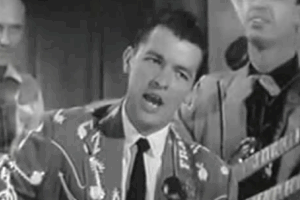
“Jingle Bell Rock” by Bobby Helms (Single, 1957)
By the late 1950s, rock and roll had begun reshaping every corner of popular music, and Christmas wasn’t spared. This song arrived with a backbeat, electric guitar, and an unmistakable sense of movement. It didn’t abandon holiday imagery—it simply gave it a swing that felt modern at the time.
Helms’ recording stood apart from traditional seasonal fare by sounding relaxed rather than reverent. The rhythm borrowed from rockabilly, while the lyrics kept things light and social, focused on dancing instead of nostalgia. That balance helped the song cross generational lines, appealing to younger listeners without alienating older ones.
Although it’s no longer forgotten, its origins as a crossover hit matter. “Jingle Bell Rock” proved that Christmas music didn’t have to slow the room down—it could energize it. Even now, it feels tailor-made for decorating sessions, late-night gift wrapping, and moments when the season calls for motion rather than reflection.